
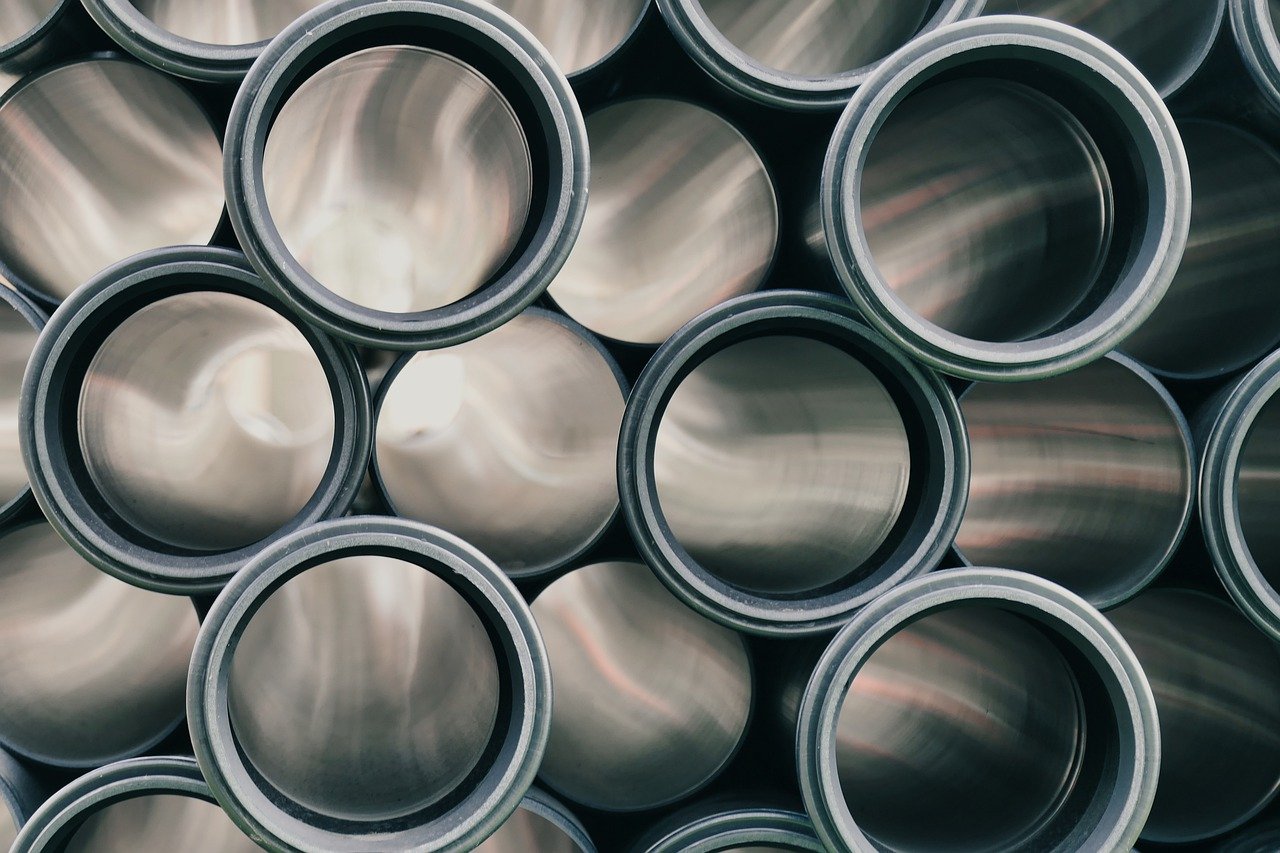
Aging industrial pipelines pose significant environmental risks due to their increased susceptibility to failure and leaks.
Material Deterioration and Corrosion
As pipelines age, they become more prone to material deterioration and corrosion, leading to leaks of hazardous substances into the environment.
Erosion Risks
Failures in aging pipelines lead to toxic dispersions, soil contamination, and potential combustion explosions, posing threats to human safety and ecosystems.
Economic Implications
The costs of replacing or repairing aging pipelines are substantial, and environmental disasters impose additional financial burdens through regulatory fines and cleanup efforts.
Regulatory Challenges
As infrastructure ages, ensuring compliance with environmental regulations becomes more difficult, complicating risk mitigation.
Slip lining is an effective trenchless rehabilitation method. The technique involves inserting a new, smaller-diameter pipe into an existing damaged one. It creates a “pipe within a pipe” system. This process restores functionality and structural integrity without extensive excavation, making it less disruptive and cost-effective.
What Is Industrial Slip Lining?
Industrial slip lining is a four-step process.
In preparation, the existing host pipe is cleaned and inspected to ensure it is suitable for slip lining.
The new pipe, usually made of materials such as HDPE, is then inserted into the host pipe.
The space between the host pipe and the new liner is filled with sealing material, such as grout, to secure the new pipe in place.
It is then tested for structural integrity and leaks to ensure it meets operational standards.
Slip lining is a trenchless method that differs significantly from traditional pipe replacement in the methodology, cost and time, impact on infrastructures, and longevity and effectiveness. Slip lining inserts a smaller pipe into a damaged pipe to minimize excavation and disruption. Pipe replacement requires removing the old pipe and installing a new one, often involving significant disruption and excavation.
Generally, slip lining is quicker and more cost-effective. It reduces restoration and labor costs. Typically, pipe replacement is more time-consuming and expensive due to the work involved. Slip lining causes minimal disruption to structures, roads, and landscaping. Pipe replacement can cause disruptions requiring extensive restoration efforts and road closures.
While slip lining extends the life of the existing pipe, it may reduce the flow capacity. Pipe replacement provides longevity and full capacity.
Environmental Benefit #1: Reduced Excavation
Slip lining significantly reduces excavation, which leads to benefits that include
- Minimized Surface Disruption
- Lower Soil Disturbance
- Reduced Traffic and Community Impact
- Decreased Waste Generation
It requires minimal excavation at the entry and exit points, resulting in less surface disruption than traditional methods. The reduction helps preserve existing ecosystems and landscapes.
By reducing the soil volume that needs to be excavated by up to 85%, slip lining reduces erosion risk and minimizes the impact on soil structure.
Less excavation means fewer disturbances and delays to local communities and businesses. It leads to a more efficient process, benefiting local economies and the environment.
Less excavation means less construction waste, which benefits landfills and reduces a project’s environmental footprint.
Environmental Benefit #2: Lower Equipment Emissions
Slip lining delivers meaningful environmental gains by reducing the amount of heavy equipment needed and shortening the time the equipment remains in operation. There are fewer hauling vehicles, dump trucks, loaders, and excavators operating on site, and less fuel is burned during the project.
With fewer machine-hours required, emissions from diesel-powered equipment is substantially lower. Three key advantages are
- Less Excavation Activity
- Fewer Hauling and Disposal Trips
- Shorter Construction Duration
Slip lining uses existing pipe corridors and requires limited access points, reducing the need for excavation equipment. Minimizing excavation reduces the amount of soil transported off-site and backfill that is needed, which cuts tailpipe and truck traffic emissions.
Slip lining is installed more efficiently, which means support equipment runs fewer hours. Lowering carbon dioxide emissions reduces equipment use and decreases other pollutants associated with diesel engines, such as particulate matter and nitrogen oxides. It improves local air quality near the jobsite and lowers the overall environmental footprint.
Environmental Benefit #3: Reduced Material Consumption
Reduced material consumption is among the most impactful environmental benefits of slip lining. It offers
- Less Raw Material Required
- Elimination of Bedding and Backfill Materials
- Reduced Pavement and Surface Restoration
- Lower Waste Generation
- Downstream Manufacturing and Transport Savings
The liner is thinner and lighter than a standalone replacement, which lowers the demand for raw materials. Manufacturing,: fewer pipes means reduced extraction of natural gas, petroleum feedstocks, or mineral fillers.
No new bedding stone is needed. Backfill volume drops dramatically. Quarrying, transporting, and placing these aggregates carry carbon and resource footprints; avoiding them increases the savings.
Step lining minimizes surface disturbance. Less base aggregate, cement, and asphalt is consumed for restoration. Fewer truck trips are needed to haul paving materials to the site.
There is no demolished pipe to dispose of. Traditional replacement generates large amounts of concrete, clay, or corroded metal that are trucked to a recycling facility or a landfill. Slip lining sidesteps most of the waste stream.
Because less material is manufactured, packaged, and shipped, energy consumption at factories is reduced. Fewer heavy-truck miles lower fuel use and emissions. There is a smaller supply-chain footprint.
Environmental Benefit #4: Longer Asset Life
Slip lining significantly extends the life of existing infrastructure. Inserting a smaller pipe into a damaged pipeline often extends the service life of the original pipe by 50 or more years. Rehabilitating pipes before they reach a critical failure point reduces the need for emergency repairs and improves maintenance predictability, which leads to reduced risk exposure and better budgeting.
The liners used in slip lining are often made of fiberglass or polyethylene, which provide a durable solution to common issues, such as cracks or leaks, ensuring long-lasting performance.
Applications for Industrial Facilities
Key slip lining applications include sanitation and stormwater systems, industrial drainage, and culverts and interceptors. Slip lining is ideal for restoring stormwater and sewer pipes. It effectively addresses issues in industrial drainage systems, minimizing operational disruptions and downtime. The method is suitable for relining interceptors and culverts, reducing maintenance costs and ensuring efficient water flow.
When Industrial Slip Lining Is the Right Choice
When choosing slip lining, consider the pipe condition, diameter, and alignment, cost, and flow capacity. Slip lining is ideal for structurally sound pipes with internal damage. It works best with pipes having a consistent alignment and diameter. Slip lining is more economical than replacement, particularly in urban areas with challenging excavation. It is suitable when a slight reduction in flow capacity is acceptable.
Final Thoughts
Slip lining presents an environmentally friendly and cost-effective alternative to traditional replacement methods. It promotes sustainability in infrastructure rehabilitation. Slip lining efficiency stems from the principle of working with existing infrastructure instead of replacing it. Reusing the host pipe eliminates bedding and backfill, minimizes surface cuts, and avoids demolition waste.
Industrial CIPP is a local leader in the industry. We have the experience to answer questions you may have. If you are a contractor, call us at 800-468-7668 for answers and an estimate.