
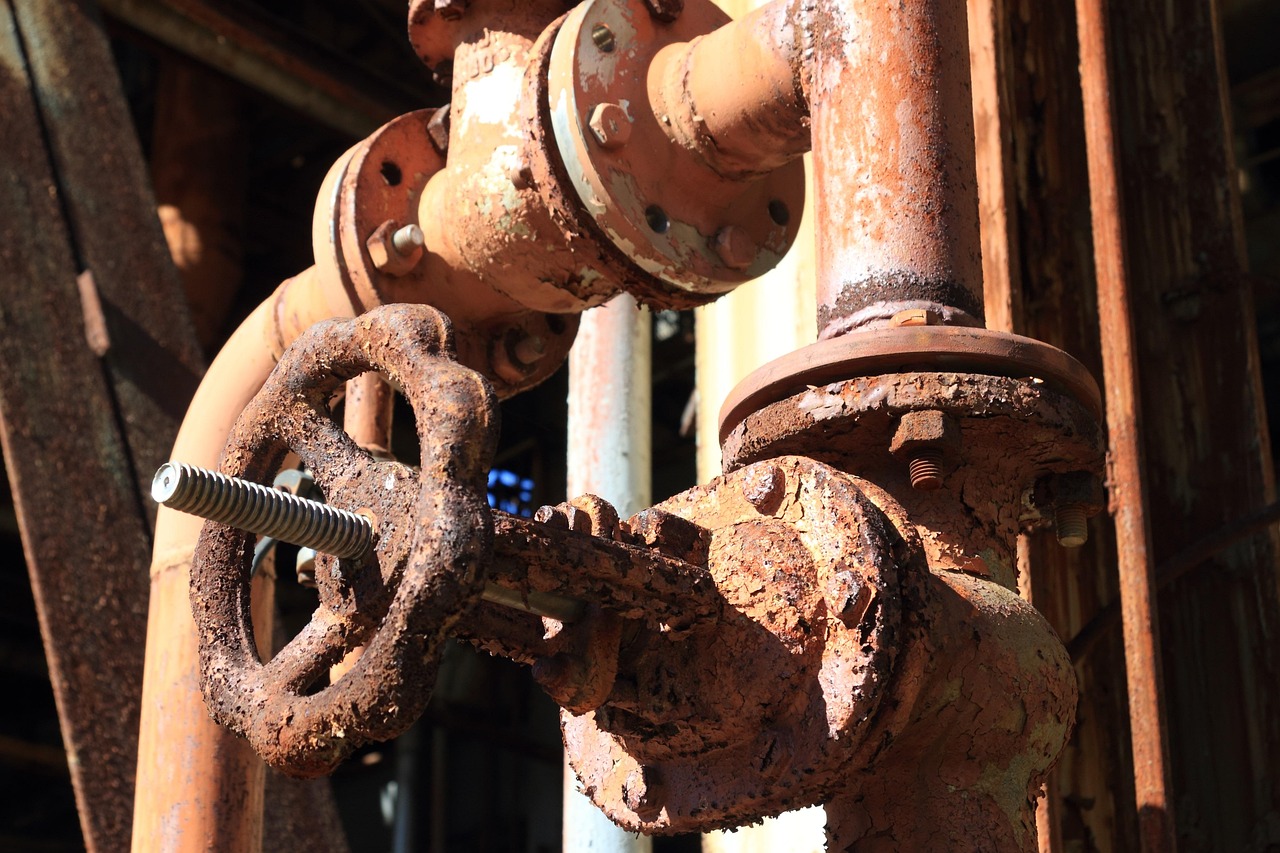
Maintaining aging piping infrastructure is a constant challenge for industrial facilities. Whether pipelines carry process water, wastewater, chemicals, or other materials, deterioration can eventually lead to leaks, reduced flow capacity, and unplanned shutdowns. Industrial cured-in-place rehabilitation has become a practical solution for many facilities because it restores existing pipelines without the expense and disruption associated with traditional excavation and replacement.
Understanding how the process works and where it delivers the greatest value can help facility managers make informed infrastructure decisions.
Traditional Pipe Replacement Is Expensive
Conventional pipe replacement often extends well beyond the cost of new materials. Industrial facilities must also account for:
- Excavation and site restoration
- Equipment relocation
- Production interruptions
- Increased labor requirements
- Environmental and safety considerations
For facilities operating around the clock, even limited downtime can create significant financial impacts. Rehabilitation methods that minimize disruption are often preferable when existing pipelines remain structurally suitable for renewal.
How Industrial Cured-in-Place Rehabilitation Works
Cured-in-place rehabilitation creates a new structural pipe within the existing pipeline. After the line is thoroughly cleaned and inspected, a resin-saturated liner is inserted into the host pipe. The liner is then cured using an appropriate method, allowing it to harden into a seamless, corrosion-resistant pipe that conforms to the original alignment.
Because the process utilizes the existing pipe as the host structure, excavation requirements are significantly reduced compared to complete replacement. This approach is particularly valuable in industrial environments where underground utilities, production equipment, or concrete structures make excavation difficult or costly.
Advantages for Industrial Facilities
Industrial environments demand rehabilitation methods that support operational continuity while delivering reliable long-term performance.
Key advantages include:
- Reduced excavation requirements
- Shorter project durations
- Less disruption to ongoing operations
- Improved corrosion resistance
- Seamless interior surfaces that promote efficient flow
- Extended service life for existing infrastructure
These benefits make cured-in-place rehabilitation an effective option for manufacturing facilities, processing plants, power generation sites, municipalities, and other industrial applications where minimizing downtime is a priority.
Project Planning Is Critical
Successful rehabilitation projects begin with a detailed evaluation of the existing pipeline. Video inspections, cleaning, and condition assessments help determine whether the pipe is an appropriate candidate for rehabilitation.
Project teams should also evaluate:
- Pipe diameter and length
- Existing structural condition
- Flow requirements
- Access points
- Chemical exposure
- Operating temperatures
- Required outage windows
Addressing these factors during planning helps ensure the rehabilitation method aligns with operational requirements and long-term performance expectations.
Long-Term Value Beyond Initial Cost
While the upfront cost of rehabilitation is often lower than complete replacement, the long-term value extends beyond the initial project budget. Reducing excavation, preserving surrounding infrastructure, and limiting production interruptions can significantly lower the total cost of ownership.
Additionally, seamless cured liners help reduce the likelihood of future leaks, corrosion-related failures, and maintenance demands. For many industrial facilities, these lifecycle benefits make rehabilitation an attractive investment in overall asset management.
Final Thoughts
When evaluating aging infrastructure, industrial cured-in-place rehabilitation offers a practical way to restore pipeline performance while minimizing operational disruption and avoiding unnecessary excavation.
At Industrial CIPP, we understand the unique challenges industrial facilities face when rehabilitating critical piping infrastructure. If you’re evaluating options for an upcoming rehabilitation project, contact our team to discuss your system and learn how our trenchless solutions can help restore performance while keeping your operation moving.