
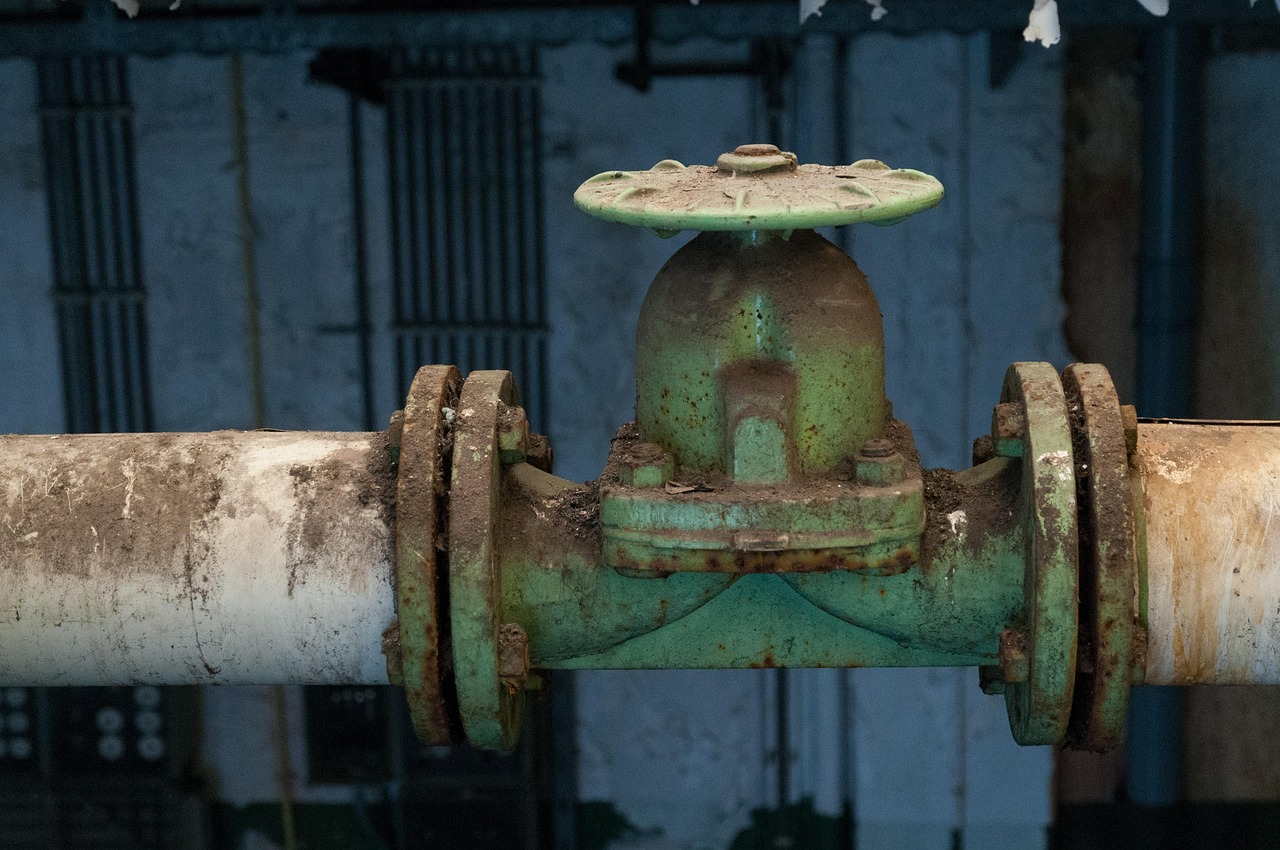
Industrial piping systems operate in some of the harshest conditions possible. Chemical exposure, high temperatures, abrasive materials, pressure fluctuations, and continuous flow demands can all place significant stress on underground infrastructure. When deterioration begins, selecting the right rehabilitation approach becomes critical for long-term performance and operational reliability.
That is why choosing the right CIPP for industrial pipes requires more than simply selecting a liner. Industrial environments often involve unique operating conditions that require careful evaluation of pipe size, flow conditions, chemical resistance, curing methods, and structural requirements before rehabilitation begins.
Start with the Pipe’s Operating Environment
Every industrial system operates differently. A liner system that performs well in one facility may not be appropriate for another.
Before selecting a CIPP solution, engineers and contractors typically evaluate:
- Internal pipe conditions
- Operating temperatures
- Chemical exposure
- Flow rates
- Pipe diameter
- Existing structural damage
- Access limitations
- Downtime requirements
For example, systems carrying corrosive chemicals may require specialized resin formulations designed for chemical resistance. High-temperature applications may also need materials capable of handling thermal expansion and long-term heat exposure.
Understanding the operating environment is one of the most important steps in selecting a system that will perform reliably over time.
Structural vs Non-Structural Rehabilitation
Not every CIPP installation serves the same purpose. Some rehabilitation systems are designed primarily to restore flow and seal leaks, while others are engineered to provide full structural support.
Structural CIPP systems are commonly selected when pipes experience:
- Cracking
- Corrosion loss
- Joint separation
- Infiltration
- Partial deformation
In these situations, the liner essentially functions as a new pipe within the existing host pipe.
Non-structural systems, on the other hand, may be appropriate for addressing minor defects or preventing further deterioration in pipes that still maintain most of their original strength.
The correct choice depends heavily on the current condition of the infrastructure and the expected service demands moving forward.
Resin Selection Matters
One of the biggest differences between industrial and municipal rehabilitation projects involves resin selection.
Different resin systems provide different performance characteristics, including resistance to:
- Chemicals
- Abrasion
- Heat
- Pressure
- Corrosion
Common resin options may include:
- Epoxy
- Vinyl ester
- Polyester
Epoxy resins are often selected for environments requiring strong chemical resistance and durability. Vinyl ester systems may perform well in aggressive industrial conditions involving corrosive materials or elevated temperatures.
Choosing the wrong resin can shorten the lifespan of the rehabilitation system, especially in facilities with harsh operating environments.
Pipe Diameter and Access Conditions Affect Installation
Industrial facilities often contain piping systems with challenging layouts and difficult access conditions.
Some projects may involve:
- Large-diameter process pipes
- Tight mechanical spaces
- Long pipe runs
- Multiple bends
- Limited entry points
- Active facility operations
These factors can significantly influence which installation method is most appropriate.
Certain curing methods may work better for long runs, while others may be better suited for facilities with limited downtime windows. Installation planning becomes especially important when pipe systems are tied directly to production operations.
Downtime and Operational Impact Should Be Part of the Decision
Industrial facilities often cannot afford extended shutdowns for pipe replacement projects. One reason CIPP rehabilitation has become widely used is because it can reduce excavation and minimize disruption to operations.
Some systems may allow sections of infrastructure to remain operational during portions of the rehabilitation process, depending on the facility layout and project scope.
Final Thoughts
Choosing the right CIPP for industrial pipes involves balancing structural needs, chemical resistance, operational demands, installation conditions, and long-term performance goals. Industrial systems rarely fit into a one-size-fits-all solution, which is why detailed inspections and proper engineering evaluations are critical before rehabilitation begins.
If your facility is evaluating rehabilitation options for aging process, sewer, or industrial piping systems, contact Industrial CIPP to discuss solutions right for your facility.