
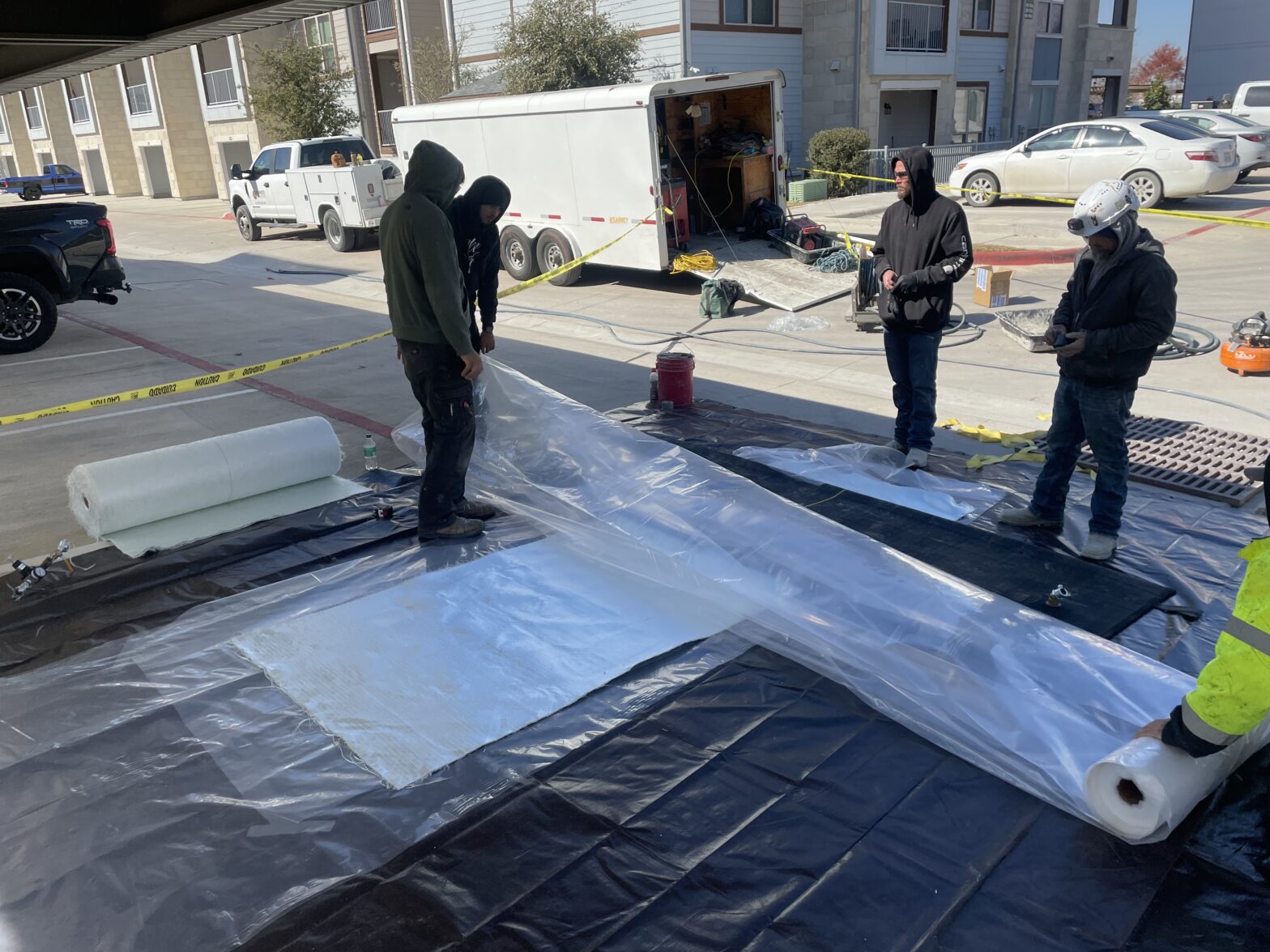
A shutdown gives your team a chance to repair piping that is difficult to take out of service during normal production. But the work has to fit between the last production run and a restart that may be booked.
At Industrial CIPP, we use industrial pipe repair planning to identify what can happen before the outage and what needs dedicated time while the line is offline.
Confirm the Repair Scope Before the Shutdown
Start facility maintenance planning by identifying the line, what it carries, and which equipment depends on it. Confirm the pipe material, diameter, route, and access points. Where conditions permit, schedule a video inspection ahead of the outage so the team can see where deposits, damage, or changes in pipe geometry could affect the work.
Give the rehabilitation contractor enough information to answer three scheduling questions.
- Which sections can be reached from existing access points?
- What cleaning or preparation must happen before lining?
- Which lines share access or isolation points with other shutdown work?
If part of the line can only be inspected after shutdown, agree in advance on who can approve a scope change and how much time the schedule allows for that decision.
Build the Schedule Backward from Restart
CIPP shutdown planning should account for everything that has to happen before and after liner installation. Work backward from the required restart time and assign an owner to each handoff. A sequence to coordinate with your contractor includes the following steps.
- Operations releases the line after completing the required isolation and preparation.
- The rehabilitation crew cleans the pipe and confirms its condition and dimensions.
- The crew installs and cures the liner, then trims ends or reopens connections as required.
- The contractor completes the specified inspection or testing before operations accepts the line for return to service.
Ask when the crew can stage materials and equipment. Reserving access and staging space ahead of time can keep deliveries from competing with other trades once the outage begins.
Account for Shared Access and Unexpected Work
Pipe rehabilitation downtime includes the time the facility needs to make the line available and bring it back into service. For example, if another crew needs the same access point to replace a valve, decide which job goes first and include that dependency in both schedules.
Reserve time for conditions that could extend the work, such as deposits that take longer to remove or a connection that differs from the drawings. Agree on a cutoff for starting additional repairs. If a new defect appears during cleaning, that cutoff gives the team a basis for deciding whether to expand the scope or schedule separate work.
Before the outage, agree on who reviews the inspection results, what records they need, and who authorizes restart. Build that review into the schedule so operations has time to resolve any issues before putting the line back into service.
Plan Your Next Shutdown with Industrial CIPP
For help with industrial pipe repair planning, contact Industrial CIPP before you finalize your shutdown schedule. Share your pipe drawings, inspection records, and target restart time. We can review the scope with your team and identify which tasks can be completed ahead of the outage.