
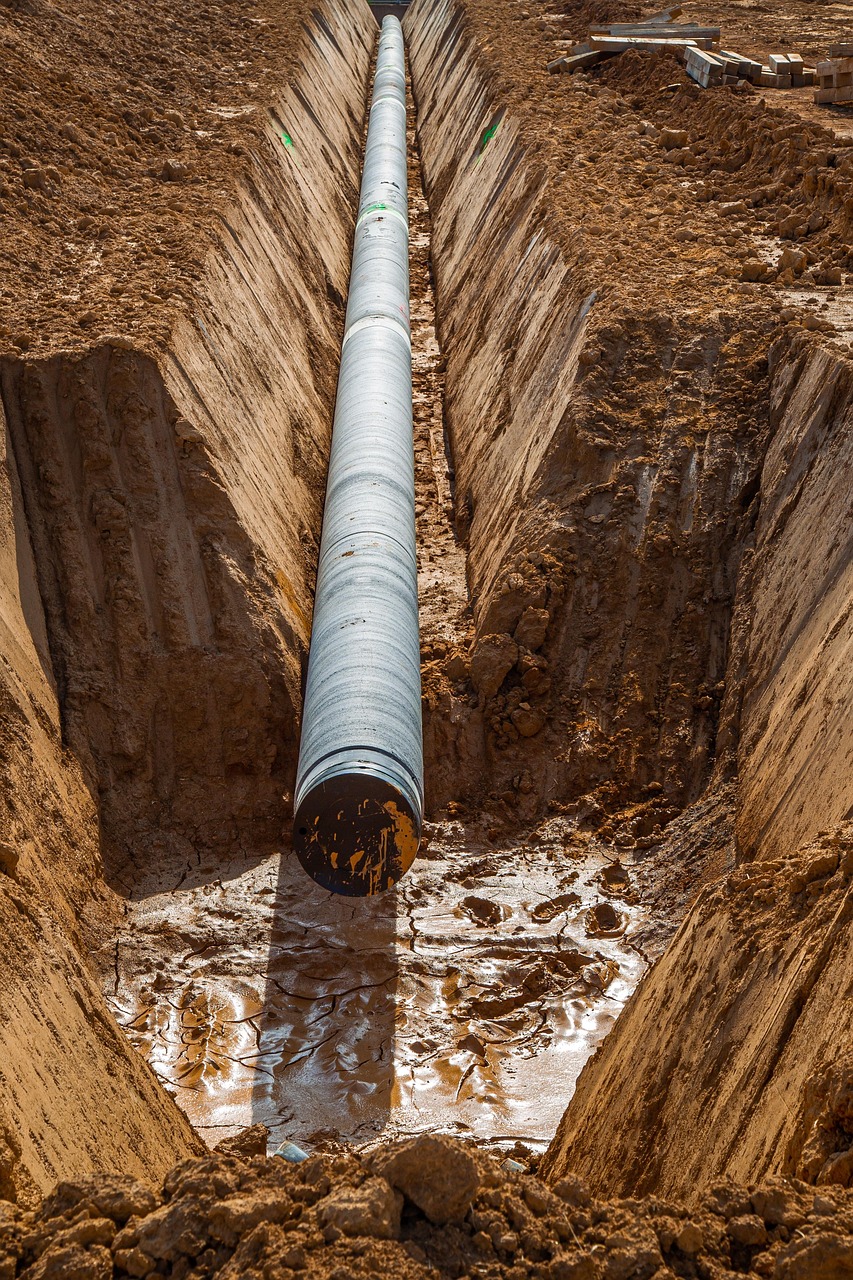
A damaged pipeline can quickly affect production, drainage, equipment performance, safety, and regulatory compliance. Conventional replacement may require excavation or opening walls, floors, and ceilings to reach the failed section. An industrial no dig approach rehabilitates suitable pipelines from within, limiting structural damage while helping facilities control downtime, labor demands, and restoration costs.
Why Conventional Replacement Can Be Disruptive
Industrial piping often runs beneath concrete slabs, production floors, roadways, or heavy equipment. Vertical lines may pass through multiple levels of a facility. Reaching these systems through conventional construction can involve demolition, excavation, shoring, debris removal, and surface reconstruction.
Trenchless rehabilitation uses existing access points whenever possible. Although some projects still require localized access or preparatory work, the overall construction footprint can be considerably smaller than a full replacement.
Inspection Comes Before Rehabilitation
An accurate condition assessment is necessary before selecting a repair method. We use video inspection to examine the host pipe, identify defects, locate laterals and connections, and evaluate whether the existing line can support rehabilitation.
Large-diameter systems require equipment capable of providing adequate lighting, reach, and image quality. Laterally launching robotic cameras can closely inspect suspected defects and access connections that conventional push cameras may not adequately capture.
The inspection may reveal corrosion, cracking, leaking joints, blockages, root intrusion, or other deterioration. It can also identify conditions that make lining unsuitable, such as severe collapse or major alignment problems. This information allows us to develop a repair scope based on evidence rather than assumptions.
How CIPP Restores a Pipeline
Cured-in-place pipe creates a new pipe within the existing host line. A flexible liner impregnated with resin is inserted and positioned against the interior wall. The liner is then cured, forming a durable interior pipe that can bridge many defects and restore structural performance.
Depending on pipe condition, access, diameter, operating requirements, and project scope, installation may be complete much faster than conventional replacements. Because continuous excavation is generally unnecessary, facilities can avoid much of the demolition and reconstruction associated with replacing buried or concealed lines.
Operational Advantages for Industrial Facilities
Minimizing disruption is particularly important when a facility operates continuously or loses revenue during an outage. Trenchless rehabilitation can offer several practical advantages:
- Reduced excavation and demolition
- A smaller work zone
- Less surface restoration
- Shorter or more manageable shutdown periods
- Lower disruption to personnel and equipment
- Rehabilitation of difficult-to-access vertical or buried lines
- The ability to address long pipeline segments
These benefits do not eliminate the need for careful coordination. Flow control, cleaning, staging, curing, safety requirements, and access must still be incorporated into the schedule. Planning around production cycles or maintenance windows can help further reduce operational effects.
Plan a More Efficient Pipeline Repair
For a suitable host pipe, industrial no dig rehabilitation can deliver long-term performance without the extensive excavation, demolition, and restoration required by traditional replacement. The right solution begins with accurate inspection, compatible materials, a project-specific installation plan, and documented verification.
Industrial CIPP provides video inspection, large-diameter assessment, vertical pipeline rehabilitation, and cured-in-place lining for industrial systems. Contact us to schedule a consultation and determine whether trenchless rehabilitation is appropriate for your facility.