
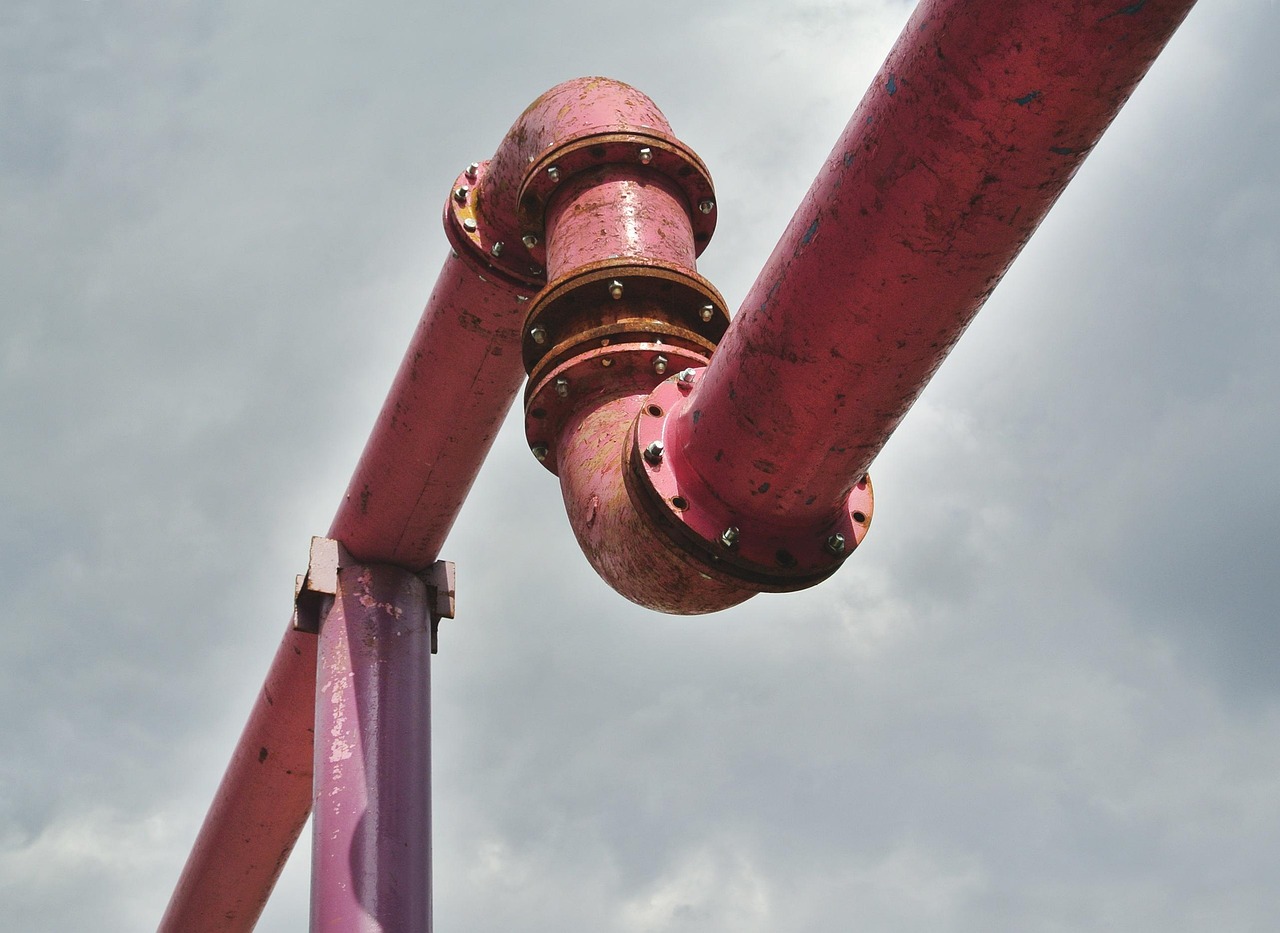
Aging underground infrastructure is a challenge for many industrial facilities. Shutting down operations for open-cut excavation can be costly, disruptive, and time-consuming. That’s why CIPP for industrial pipes has become a widely used rehabilitation method for restoring structural integrity while minimizing downtime. This guide explains how the process works, where it’s used, and what industrial operators should know before moving forward.
What CIPP Is and How It Works
Cured-in-place pipe (CIPP) is a trenchless rehabilitation technique used to repair existing pipelines from the inside. Instead of removing and replacing a damaged pipe, a resin-saturated liner is inserted into the host pipe and cured in place. Once cured, the liner forms a new, jointless pipe within the old one.
The process typically involves cleaning and inspecting the pipe, installing the liner, curing it using heat or ultraviolet light, and then performing a final inspection. The result is a restored pipeline with renewed structural strength and improved flow characteristics.
Why Industrial Facilities Use CIPP
Industrial piping systems often operate under harsh conditions, including high temperatures, chemical exposure, and continuous flow demands. Traditional replacement methods can interrupt production and introduce safety risks. CIPP offers a practical alternative by addressing structural issues without excavation.
Facilities commonly choose CIPP because it helps:
- Reduce downtime compared to full pipe replacement
- Preserve surrounding infrastructure and equipment
- Restore structural capacity without changing pipe alignment
- Extend the service life of existing systems
These benefits make CIPP a strong option for facilities focused on continuity and efficiency.
Common Industrial Applications
CIPP is used across a wide range of industrial environments. It is well-suited for gravity and pressure pipelines that transport process water, wastewater, stormwater, and certain industrial byproducts.
Typical applications include manufacturing plants, refineries, power generation facilities, and large-scale processing operations. CIPP can also be used in vertical pipes, large-diameter lines, and complex pipe networks where access is limited.
Materials and Performance Considerations
The performance of a CIPP system depends heavily on the liner materials and resin selected for the application. Industrial environments may require liners designed to withstand chemical exposure, abrasion, or elevated temperatures.
A proper evaluation ensures the rehabilitated pipe meets operational demands and regulatory expectations.
Inspection, Testing, and Quality Control
Quality control is a critical part of any industrial CIPP project. Before installation, pipelines are inspected to confirm suitability for lining. After curing, inspections verify liner integrity, thickness, and proper curing.
Testing may include visual inspections, thickness verification, and pressure testing where applicable. These steps help confirm the liner performs as intended and meets project specifications.
Advantages Over Traditional Replacement
Compared to excavation-based replacement, CIPP offers several practical advantages. It minimizes surface disruption, reduces restoration costs, and shortens project timelines. For facilities with limited access or sensitive surrounding operations, these advantages can be significant.
CIPP also reduces the need for heavy equipment and extensive site preparation. This helps improve safety and limits the impact on nearby processes.
Long-Term Value and System Reliability
When properly designed and installed, CIPP liners can provide decades of service. They restore structural integrity, improve hydraulic performance, and reduce the likelihood of leaks or failures. For industrial operators, this translates into greater reliability and lower long-term maintenance demands.
Investing in rehabilitation rather than replacement can also help extend capital budgets while maintaining system performance.
Moving Forward with Confidence with Industrial CIPP
Industrial piping systems are critical to daily operations, and failures can be costly. Understanding your rehabilitation options allows you to make informed decisions that balance performance, cost, and operational impact.
If your facility is evaluating CIPP for industrial pipes, working with a knowledgeable provider can make all the difference. Industrial CIPP specializes in trenchless rehabilitation solutions designed for demanding industrial environments. Contact our team today.